
"four major"
3000 article(s) found

Introduction to boutique coffee basic knowledge of Brazilian coffee
Brazilian coffee generally refers to coffee produced in Brazil. There is a wide variety of Brazilian coffee, the vast majority of which are unwashed and sun-dried, classified according to the name of the state of origin and the port of transport. Brazil has 21 states and 17 states produce coffee, but four of them produce the largest, accounting for 98% of the country's total output. Brazilian coffee has a low sour taste, which goes well with coffee.

Introduction to Brazilian Coffee by producing countries of Fine Coffee beans
Brazilian coffee Brazils to distinguish it from Milds coffee. The vast majority of Brazilian coffee is unwashed and sun-dried and is classified according to the name of the state of origin and port of transport. Brazil has 21 states and 17 states produce coffee, but four of them produce the largest, accounting for 98% of Brazil's total output. They are: Parana, SaoPaulo and rice.
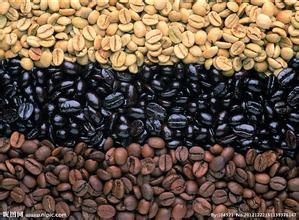
Ethiopian Sidamo Lion King Coffee Bean introduction Fine Coffee
According to the above four different modes of production, Ethiopian coffee can be divided into nine major coffee producing areas, including five boutique coffee areas: Sidamo, Yegashefi, Harald, Lim and Lekampu. and four general commercial bean producing areas: Gemma, Irugbo, Tibby and Bekaa. The sun or water washing methods are used in each district, and different treatment methods also affect the flavor.

Yemeni Coffee beans grow Yemeni Udini Coffee what are the main varieties of Yemeni coffee
For more information on coffee beans, please follow the coffee workshop (official Wechat account cafe_style) if Ethiopian coffee is a changeable woman-with complex flavors of fruit and flowers, then Yemeni coffee is a brave man-chocolate, tobacco and thick taste with a gentle sweet tail. This batch of Yemeni coffee is of high quality.

Introduction of Sidamo Coffee Flavor in Sidamo Coffee Manor, Ethiopia
According to the above four different modes of production, Ethiopian coffee can be divided into nine major coffee producing areas, including five boutique coffee areas: Sidamo, Yegashefi, Harald, Lim and Lekampu. and four general commercial bean producing areas: Gemma, Irugbo, Tibby and Bekaa. The sun or water washing methods are used in each district, and different treatment methods also affect the flavor.

Brazilian coffee generally refers to coffee produced in Brazil.
Brazilian coffee generally refers to coffee produced in Brazil. There is a wide variety of Brazilian coffee, the vast majority of which are unwashed and sun-dried, classified according to the name of the state of origin and the port of transport. Brazil has 21 states and 17 states produce coffee, but four of them produce the largest, accounting for 98% of the country's total output. Brazilian coffee has a low sour taste, which goes well with coffee.
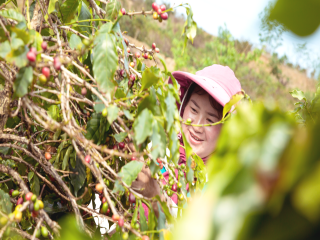
What is the flavor of coffee from the four major producing areas in Yunnan? Introduction to the characteristics of Katim Coffee varieties in Yunnan Province
"would you like to try our Yunnan beans-Qianjie 2013, these are the coffee beans we grow in Yunnan." This is the advice that baristas in front of the street will give when guests are faced with a blackboard bean list but don't know how to start. When some guests hear that these are Yunnan beans, their eyes will shine, and some curious guests will ask one more question. "

Introduction of Sidamo coffee beans with clear acidity and smooth taste
According to the above four different modes of production, Ethiopian coffee can be divided into nine major coffee producing areas, including five boutique coffee areas: Sidamo, Yegashefi, Harald, Lim and Lekampu. and four general commercial bean producing areas: Gemma, Irugbo, Tibby and Bekaa. The sun or water washing methods are used in each district, and different treatment methods also affect the flavor.

Can you still drink coffee like that? Share four good-looking and delicious creative coffee practices
Professional coffee knowledge exchange more coffee bean information please pay attention to the coffee workshop (Wechat official account cafe_style) black coffee can taste the original taste of coffee, coffee from different areas, each has its own wonderful taste. But drinking coffee is like magic, adding different ingredients can have an unimaginable flavor. Won the championship of the World Barista Competition in 2016.

Story characteristics of four major coffee producing areas in the world Coffee beans from North America, Africa, Asia, Central and South America
Beans taste different according to the region where they grow. The factors that affect the taste are the variety of coffee trees, the soil properties of growth, the climate and altitude of the cultivation garden, the care of picking results, and the process of bean treatment, etc. These elements vary from region to region, while bakers and integrated manufacturers look for the characteristics of each region, so that the comprehensive products have their own unique typical flavor. You can try to chase.

Sidamo guji coffee beans Ethiopian coffee production mode
According to the above four different modes of production, Ethiopian coffee can be divided into nine major coffee producing areas, including five boutique coffee areas: Sidamo, Yegashefi, Harald, Lim and Lekampu. and four general commercial bean producing areas: Gemma, Irugbo, Tibby and Bekaa. The sun or water washing methods are used in each district, and different treatment methods also affect the flavor.

Karia Coffee Cooperative in Kenya, a major coffee producing country in Africa, African coffee cooperative.
Professional coffee knowledge exchange more coffee bean information please follow the coffee workshop (Wechat official account cafe_style) Kariua Farmers Cooperative Association (FCS) is located near the town of Karanda in Murang a county. Kariua currently has four factories: samples from the Githaiti new Irera Mutheru Mutitu from the Githaiti factory halted our selection in 2019. When

How to drink coffee to prevent disease? There are four rules for drinking coffee
Nowadays, coffee is no longer strange to the Chinese. Coffee shops in the city are all over the streets; in supermarkets and in front of vending machines, there are always people who pick up a bottle of canned coffee; and white-collar workers inevitably use coffee to refresh themselves during working hours. There is also an endless stream of research on coffee: new German research shows that drinking more coffee can help prevent hair loss in men; British dietary nutritionist

Introduction of Ethiopian Coffee producing areas with Nine Coffee producing areas
According to the above four different modes of production, Ethiopian coffee can be divided into nine major coffee producing areas, including five boutique coffee areas: Sidamo, Yegashefi, Harald, Lim and Lekampu. and four general commercial bean producing areas: Gemma, Irugbo, Tibby and Bekaa. The sun or water washing methods are used in each district, and different treatment methods also affect the flavor.

How to use V60 Coffee filter Cup
The characteristics of the V60 hand filter bowl through the V60 hand filter bowl, you can control many variables in the coffee making process at will, and its controllability is much higher than that of any drip filter coffee machine or coffee pot on the market. The high performance of V60 comes from three major features of its own design: 1. The tilt angle of the four walls of the filter bowl is 60, which makes it easier for the water to flow to the center of the filter bowl, increasing the coffee powder and water.

Introduction to the Historical Origin of Yemeni Coffee Variety Udaini Udaini Coffee in Yemen used to be tin
Professional coffee knowledge exchange more coffee bean information please follow the coffee workshop (Wechat official account cafe_style) 16th century Yemeni coffee smell world, 2017 Mocha Port founder Mokhtar Alkhanshali once again let Yemeni coffee stand on the list of the world's top coffee, coffee is the country's cultural symbol can not be ignored, and Mocha seems to have become Yemeni coffee

"Datra Sweet Confluence" was born Brazilian Coffee beans
The average elevation of Brazilian coffee is less than 1000 meters, and even South Minas, Serrado and Mojiana, the three major boutique producing areas, rarely exceed 1300 meters. The altitude is not high, the bean hardness is low, the fruit acidity is mild and sweet feeling is good, most suitable for making espresso. After 20 years of research and development and cultivation, Brazil's national treasure Datra Manor gives full play to the aesthetics of Brazilian soft beans. Denmark is well-known

Manor Fairview, Nicaragua
Nicaragua is mainly divided into four major producing areas, namely, Bosnia and Herzegovina Sub-region (Segovias), Madaguelba / Sinodega region (Matagalpa/Jinotega), Polgo region (Boaco) and Pacific Coast region (Pacific). The highest planting height in Bosnia and Herzegovina is about 1BI 5002000, and the coffee produced is the highest SHG (StrictlyHighGrown).

Introduction of coffee producing area of Adideran, Guatemala introduction of flavor characteristics of Guatemalan coffee
For the exchange of professional baristas, please follow the coffee workshop (official Wechat account cafe_style), one of the four major volcanic coffee zones in Guatemala. The soil of Attilan is the most fertile of all organic matter. 90% of the coffee is grown along extremely steep slopes all the way to Lake Attilan. The coffee in this area is fragrant and intoxicating, with sweet and sour taste and coffee beans.

What are the flavor characteristics of Ceylon Manor in Attilan District, Guatemala? Planting information?
Professional coffee knowledge exchange more coffee bean information please follow the coffee workshop (Wechat official account cafe_style) what is the flavor and characteristics of Ceylon Manor in Attilan District of Guatemala? Planting information? One of the four major volcanic coffee zones in Guatemala. The soil in Attilan is the most fertile of all organic matter. 90% of the coffee is planted along a very steep slope, all the way up to